
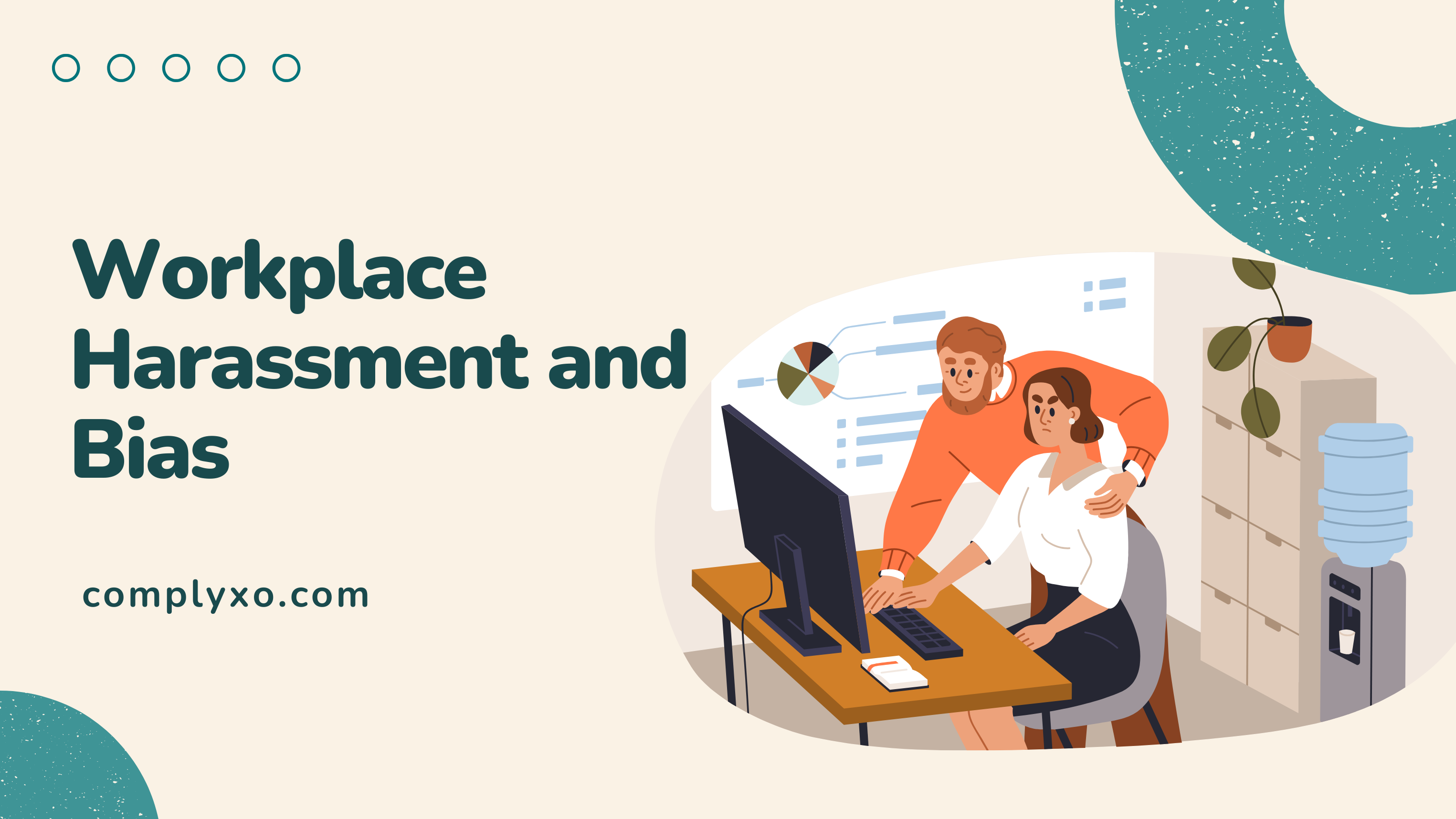
Every employee deserves to work in an environment where they feel respected, valued, and safe. A workplace built on dignity and inclusion not only improves employee well-being but also strengthens collaboration, innovation, and business success. Preventing harassment and addressing workplace bias are essential responsibilities for every organization, regardless of its size or industry.
Creating a respectful workplace requires more than simply having policies in place. It demands a culture where fairness, accountability, and inclusion are reflected in everyday decisions, leadership behaviors, and employee interactions.
Understanding Workplace Harassment
Workplace harassment is any unwelcome behavior that creates an intimidating, hostile, or offensive work environment. Harassment can occur between coworkers, managers, clients, vendors, or anyone connected to the workplace.
Harassment is not always obvious. While some behaviors are overt, others may be subtle yet equally harmful.
Examples may include:
- Offensive jokes or comments
- Bullying or intimidation
- Repeated unwanted advances
- Insults or inappropriate language
- Excluding individuals from work-related activities
- Offensive emails, messages, or social media interactions
- Displaying inappropriate images or content
Even behavior that someone considers harmless can negatively affect others. Respecting different perspectives is an important part of maintaining a professional workplace.
What Is Workplace Bias?
Bias refers to attitudes, assumptions, or preferences that influence how we treat others. Sometimes these biases are intentional, but often they occur unconsciously.
Bias can affect many workplace decisions, including:
- Hiring and recruitment
- Promotions
- Performance evaluations
- Work assignments
- Leadership opportunities
- Training and professional development
When left unaddressed, workplace bias can limit opportunities for talented employees and reduce overall organizational performance.
Why Prevention Matters
Preventing harassment and bias benefits both employees and employers.
Organizations that actively promote respect and inclusion often experience:
- Higher employee engagement
- Improved teamwork and collaboration
- Better employee retention
- Increased innovation through diverse perspectives
- Stronger employer reputation
- Lower risk of workplace disputes and legal claims
Employees are more likely to perform at their best when they feel psychologically safe and believe they are treated fairly.
Creating a Culture of Respect
Respect begins with everyday actions.
Employees should feel comfortable:
- Expressing ideas without fear of ridicule
- Asking questions
- Reporting concerns
- Working with colleagues from different backgrounds
- Participating equally in workplace opportunities
Leaders set the tone by modeling respectful communication, fairness, and professionalism in every interaction.
A respectful culture is built through consistent behavior—not occasional reminders.
The Importance of Diversity and Inclusion
A diverse workforce brings together individuals with different experiences, perspectives, skills, and ideas.
Inclusion ensures that everyone has an equal opportunity to contribute and succeed.
Organizations that embrace diversity often benefit from:
- Better problem-solving
- Greater creativity
- Stronger decision-making
- Improved customer understanding
- Increased employee satisfaction
An inclusive workplace recognizes that differences are strengths rather than barriers.
Recognizing Unconscious Bias
Everyone has unconscious biases shaped by personal experiences and cultural influences. The goal is not to eliminate human nature but to become aware of these biases and reduce their impact on workplace decisions.
Common examples include:
- Making assumptions based on age or appearance
- Favoring people with similar backgrounds
- Judging communication styles differently
- Overlooking qualified individuals because they "don't fit the usual profile"
Awareness allows managers and employees to make more objective and equitable decisions.
The Role of Leadership
Leaders play a critical role in preventing harassment and bias.
Effective leaders:
- Treat everyone with respect
- Hold themselves to the same standards as employees
- Address inappropriate behavior immediately
- Encourage open communication
- Support fair decision-making
- Create opportunities for every employee to succeed
When leadership demonstrates accountability, employees are more likely to trust the organization.
Encouraging Employees to Speak Up
Many workplace concerns go unreported because employees fear retaliation or believe nothing will change.
Organizations should provide multiple ways for employees to raise concerns while ensuring:
- Confidentiality whenever possible
- Prompt investigation
- Fair treatment for everyone involved
- Protection against retaliation
Employees should know that reporting concerns is encouraged and that their voices will be heard.
Training Makes a Difference
Regular workplace training helps employees understand:
- What harassment looks like
- How unconscious bias can influence decisions
- Appropriate workplace behavior
- Reporting procedures
- Bystander intervention strategies
- Individual responsibilities in maintaining a respectful workplace
Training should be practical, engaging, and updated regularly to reflect evolving workplace expectations and legal requirements.
Best Practices for Employers
Organizations can strengthen workplace culture by taking proactive steps, including:
- Establishing clear anti-harassment and anti-discrimination policies
- Providing regular employee and manager training
- Reviewing hiring and promotion processes for fairness
- Encouraging respectful communication
- Investigating complaints promptly and impartially
- Holding everyone accountable, regardless of position
- Regularly evaluating workplace culture through employee feedback
Consistency is essential. Policies are only effective when they are applied fairly across the organization.
Reducing Legal and Business Risks
Ignoring harassment or bias can have serious consequences.
Potential risks include:
- Employee turnover
- Lower morale
- Reduced productivity
- Damage to organizational reputation
- Costly investigations and legal disputes
- Loss of customer and employee trust
Preventive efforts are often far less costly than addressing problems after they occur.
Building a Workplace Where Everyone Belongs
An inclusive workplace is one where every employee feels respected, supported, and empowered to contribute.
This doesn't happen overnight. It requires continuous learning, honest conversations, and leadership committed to creating a culture of fairness and accountability.
When organizations invest in respect, inclusion, and equal opportunity, they build stronger teams, foster innovation, and create workplaces where people can do their best work.
Final Thoughts
Preventing workplace harassment and bias is more than a compliance obligation—it is a commitment to treating people with dignity and respect. Organizations that prioritize inclusion, encourage open communication, and address concerns promptly create environments where employees feel safe, valued, and motivated to succeed.
A respectful workplace benefits everyone. It strengthens relationships, improves business performance, reduces legal risk, and helps organizations attract and retain talented individuals from all backgrounds. By making fairness and inclusion part of everyday workplace culture, employers can build a foundation for long-term success while ensuring every employee has the opportunity to thrive.